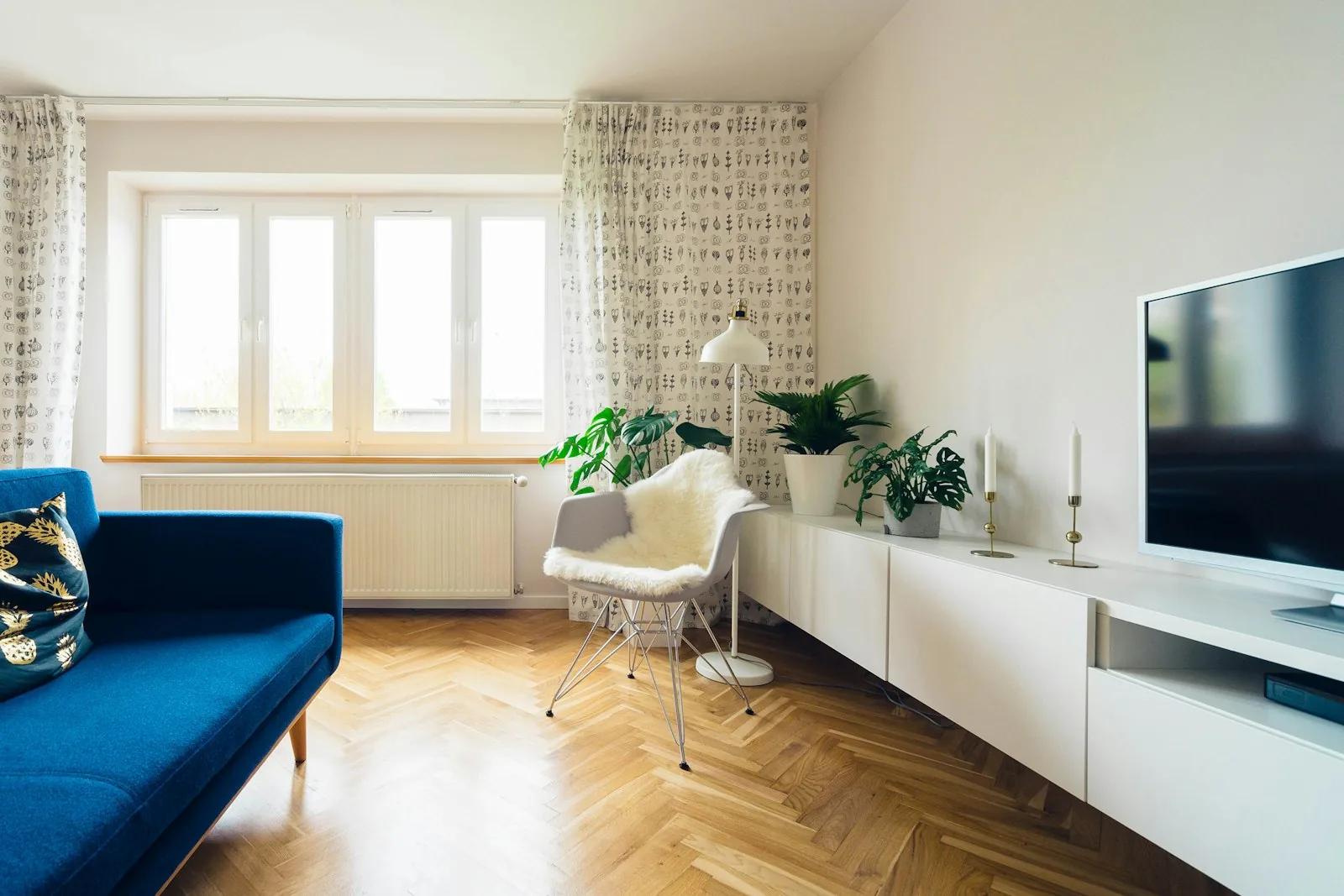
Downtown rent buys something specific: the removal of a commute. Whether that is worth the price depends on arithmetic most listings never show you — and on a lease clause almost nobody reads.
There are two honest reasons to rent a room rather than an apartment downtown: the rent is lower, and someone else already dealt with the parts you would rather not.
This page is about the first one, and about the lease structure underneath it. If what you actually need is a place you can move into with a suitcase tomorrow, renting a furnished room is the more useful page.
What downtown rent is actually buying
Every neighbourhood argument eventually comes down to time.
A room further out at a lower rent is not cheaper if it costs you an hour a day. Over a year that is roughly 250 hours — six working weeks — and unlike money, you cannot save it up or borrow against it.
So run the comparison in hours before you run it in dollars:
Where do you genuinely need to be, and how many days a week?
How long does that trip take at the hour you would make it — not the off-peak estimate?
What does it cost you in fares, or in parking, which downtown is not cheap?
Dover Quarters sits at 901 6th Avenue in the Central Business District, with a Walk Score of 98 and a Transit Score of 100. Seattle Central Library is about 4 minutes away on foot, Symphony Station about 7, Harborview Medical Center about 10, Pike Place Market about 15. The I-5 on-ramp is two blocks out.
For someone working or studying downtown or on First Hill, that is a commute measured in minutes rather than transfers. For someone commuting to the Eastside daily, it is a transit hub rather than a shortcut, and the arithmetic changes.
The clause that decides everything
This is the single most consequential difference between two rooms at the same price, and it appears in almost no listing.
On a joint lease, you and your housemates sign one agreement. Tenants are typically jointly and severally liable — meaning the landlord can pursue any one of you for the entire rent, not just your share. If someone stops paying in month four, that shortfall is legally yours. If they leave, finding a replacement usually becomes your job too.
On an individual lease, you signed for one room. Your rent is your rent. If a suitemate moves out, the operator refills the room and your obligation does not move.
Dover Quarters uses individual leases, and handles suitemate matching for shared-kitchen suite types. When you compare a room here against a room in a shared house from a listing site, this difference is usually worth more than a hundred dollars a month in either direction.
Before signing anything jointly, ask the landlord to point to the liability clause, ask what happens if one tenant leaves mid-term, and ask whether replacement tenants are permitted and who approves them.
Room, studio, or your own place
Three price points, and the gap between them is mostly kitchen.
A private room with a shared kitchen is the lowest monthly cost. You give up sole use of the cooking space. Whether that matters is a concrete question, not a matter of taste: do you cook properly most nights, or mostly reheat? Someone who cooks daily will feel a shared kitchen by week three. Someone who eats out often will not notice and would rather have the money.
A studio with its own kitchenette is the middle option — private cooking in a smaller footprint than a full apartment. At Dover Quarters that is the Studio Jr.
A full studio apartment costs the most and gives you sole use of everything, plus the setup and the longer lease that comes with it.
What to check on a tour
Photographs are honest about décor and silent about everything that will actually irritate you.
Run the shower. Water pressure and hot water are fair questions of any historic conversion — this building dates to 1907, though with a new high-efficiency boiler and updated plumbing.
Check phone signal in the room itself, not in the lobby.
Ask which side of the building you are on. Street or courtyard, and what that sounds like at the hour you sleep.
Visit the shared kitchen at a realistic time. Spotless at 11am tells you nothing about 7pm.
Ask where a bike, a suitcase and winter gear go. Dover Quarters has building storage; not every building does.
Ask who controls the heat, and how.
Before you sign
Four things in writing: what is included, the exact lease term, whether the lease is individual or joint, and what happens if you need to leave early. Every one is a normal question and any operator worth renting from will answer plainly.
If the commute question is the one you are stuck on, living without a car in downtown Seattle works through it properly. If you are weighing the format rather than the location, coliving in Seattle compares it against a conventional lease.
What do rooms for rent in downtown Seattle include at Dover Quarters?
Every suite is furnished and every utility is in the rent — water, electricity, heat, garbage and high-speed WiFi — with on-site laundry and building storage. Four suite types are available, from a private room with a shared kitchen up to a larger suite with a separate sitting area.
Do I sign a lease for the whole apartment or just my room?
Just your room. You sign an individual lease for your own suite and you are responsible only for your own rent, never anyone else's. For shared-kitchen suite types each person holds their own separate agreement.
How long are the leases?
Standard terms are 6 or 12 months, with shorter terms sometimes available depending on availability. Ask about the specific dates you need rather than assuming either way.
Is downtown worth paying more for?
It depends entirely on where you need to be. Downtown removes the commute rather than shortening it — 901 6th Avenue has a Walk Score of 98 and a Transit Score of 100, so if your work or study is downtown or on First Hill, the time you get back is the return. If it is not, weigh the daily trip honestly first.
Can I see a room before signing?
Yes. Book a tour from the website or call (253) 263-0612. Applications are reviewed within 48 hours.
What is around 901 6th Avenue?
Seattle Central Library is about 4 minutes on foot, Symphony Station about 7, Harborview Medical Center about 10, Pike Place Market about 15, and the I-5 on-ramp is two blocks away. Streetcar and bus stops are roughly 2 minutes out.