The Seattle Intern Housing Timeline: What to Do Each Month
Summer intern housing in Seattle is decided in winter. Here is the month-by-month calendar from offer to move-in, and what it costs you to start each stage late.
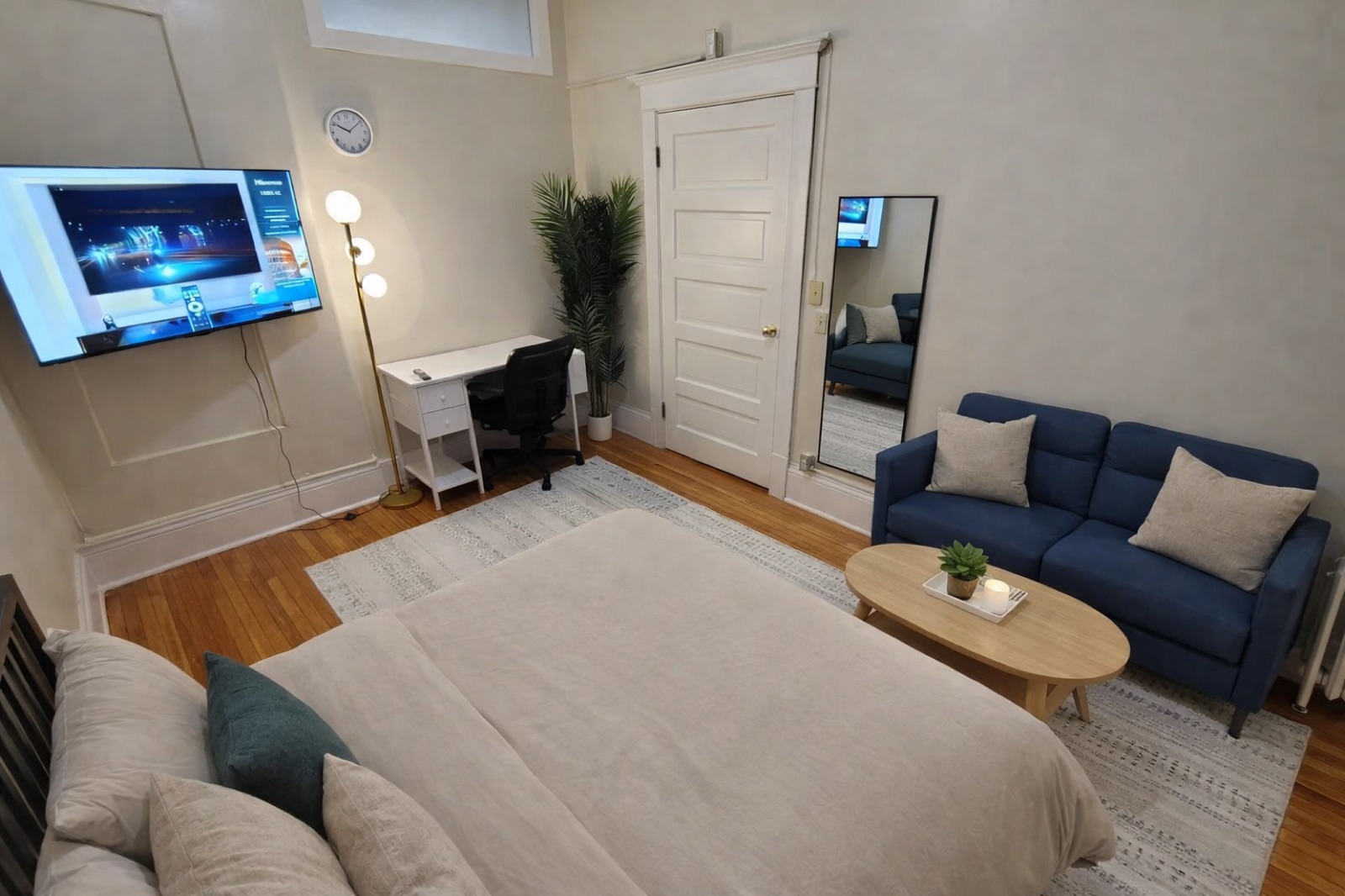
The mistake is almost never choosing the wrong place. It is starting the search in the month when the good options have already gone.
Summer intern housing in Seattle runs on a calendar that is roughly six months ahead of the actual stay. Here is what that calendar looks like, and what each month costs you if you skip it.
October – November: before you have an offer
Nothing to book yet. Two things worth doing anyway, because they take an hour and they save a week later.
Find out what your programme provides. Some employers arrange housing, some subsidise it, some hand you a list, and some do nothing. These are wildly different situations and people routinely assume the wrong one. Ask before you need the answer.
Learn the geography roughly. Where is the office? Downtown, South Lake Union, the Eastside? You do not need a decision, you need to know which question you will be answering in January.
Cost of skipping: none, but you inherit the work in a busier month.
December – January: the window opens
Offers land, and this is when the serious searching starts. Not when the stay starts — when the searching starts.
By this point you should:
- Confirm your programme dates in writing. Start date, end date, and whether orientation is before the official start.
- Set your real housing dates, which are usually a few days wider than the programme dates at both ends.
- Shortlist three or four places that can actually do a short furnished term. Most cannot; filtering on that first removes most of the internet.
- Make contact. Even a provisional enquiry in January puts you in front of people who start in April.
Cost of skipping: you will still find somewhere, but from a smaller pool.
February – March: decide and sign
This is the month the decision should happen for a June start.
Short furnished terms are limited inventory everywhere, and they go in the order people ask. February is when you still have a genuine choice between places; by late spring you are choosing between whatever is left.
What happens this month:
- Tour, or take a live video walkthrough of the actual room if you are in another city
- Get your documents together — ID, your offer letter, and whatever the operator accepts in place of US credit history if you are arriving from abroad
- Apply, and expect a review measured in days. Dover Quarters reviews within 48 hours.
- Read the lease dates against your programme dates one final time, in both directions
That last check is the one that quietly costs people the most. A lease starting three days after you land is three nights of hotel. A lease ending a week before your programme does is a scramble in August.
Cost of skipping: this is where the real narrowing happens. Every week after early March visibly reduces what is available.
April: the late window
Still workable, but the trade has changed. You are now optimising among what remains rather than choosing what you want, and the places with genuinely flexible terms are largely gone.
If you are here, be decisive. Hesitating in April costs more than it did in February, because the pool is shrinking weekly rather than monthly.
Cost of skipping: you move into the May situation, which is materially worse.
May: contingency
If you have nothing by May for a June start, treat it as a problem to solve rather than a search to continue. Widen the geography, ask your employer whether other interns have space, and consider a short-term arrangement for the first few weeks with a plan to move once you are in the city.
That is not a disaster — interns do it every year — but it is a worse and more expensive position than February, and it is entirely a function of when you started.
June – August: the stay
Two things in your first 48 hours: photograph the room including any existing wear and email the photos to yourself, and test what you were promised — the WiFi at the hour you will actually use it, the shower, the storage.
Then, in your final month, give notice on time. Notice periods are in the lease and they are easy to miss when the summer is ending and everything is happening at once.
Autumn and spring internships are the easier seasons
Everything above is the summer calendar, which is the crowded one.
Autumn and spring internships compete for the same rooms without the same volume of people. Operators are more willing to be flexible on dates, and the equivalent of the February decision point can sit six to eight weeks before the start rather than four months.
If you have a choice of season, this is a genuine and rarely mentioned advantage of taking the less obvious one.
The one-line version
Summer stay: decide in February. Autumn or spring: decide six to eight weeks out.
Everything else in the process is downstream of hitting that date.
For what a twelve-week stay actually needs from a room, and why individual leases matter more for interns than for anyone else, see the guide to intern housing in Seattle.