Dorm vs Coliving in Seattle: An Honest Comparison
One gives you a community you did not have to build. The other gives you a door that locks and a year that does not empty out. Which matters more depends on where you are in your degree.
These two options get compared on price, which is the least interesting axis and usually the least decisive one. The real differences are about who arranges your social life, what happens in December, and how much unpredictability you can absorb during a term.
What a dorm is actually selling
Not a room. A room is the cheapest thing a dorm provides.
A community you did not have to build. This is the whole product, and it is genuinely valuable — particularly in first year, when you know nobody and the alternative is constructing a social life from scratch while also starting a degree. Dorms manufacture proximity, and proximity does most of the work.
Zero administrative load. One payment, no utilities, no lease negotiation, usually no guarantor question. For an eighteen-year-old moving away from home the first time, that is worth real money.
Enforced structure. Rules, staff, someone to escalate to. Constraining if you are twenty-four; reassuring if you are eighteen.
What it costs you
Privacy, first and most. Often a shared room, almost always shared bathrooms, and walls that are not doing much. You can have people around all the time; you cannot easily not.
Control. Guest rules, quiet hours, sometimes meal plans you pay for whether or not you use them.
The calendar. This is the one that surprises people. Dorm contracts typically run to the academic year and close over breaks. If you are international, or your family is far, or you have a job over winter — you need somewhere else, twice a year, on dates you do not choose.
Availability past first year. Frequently allocated by seniority, which means the question answers itself for a lot of second and third years.
What coliving is selling
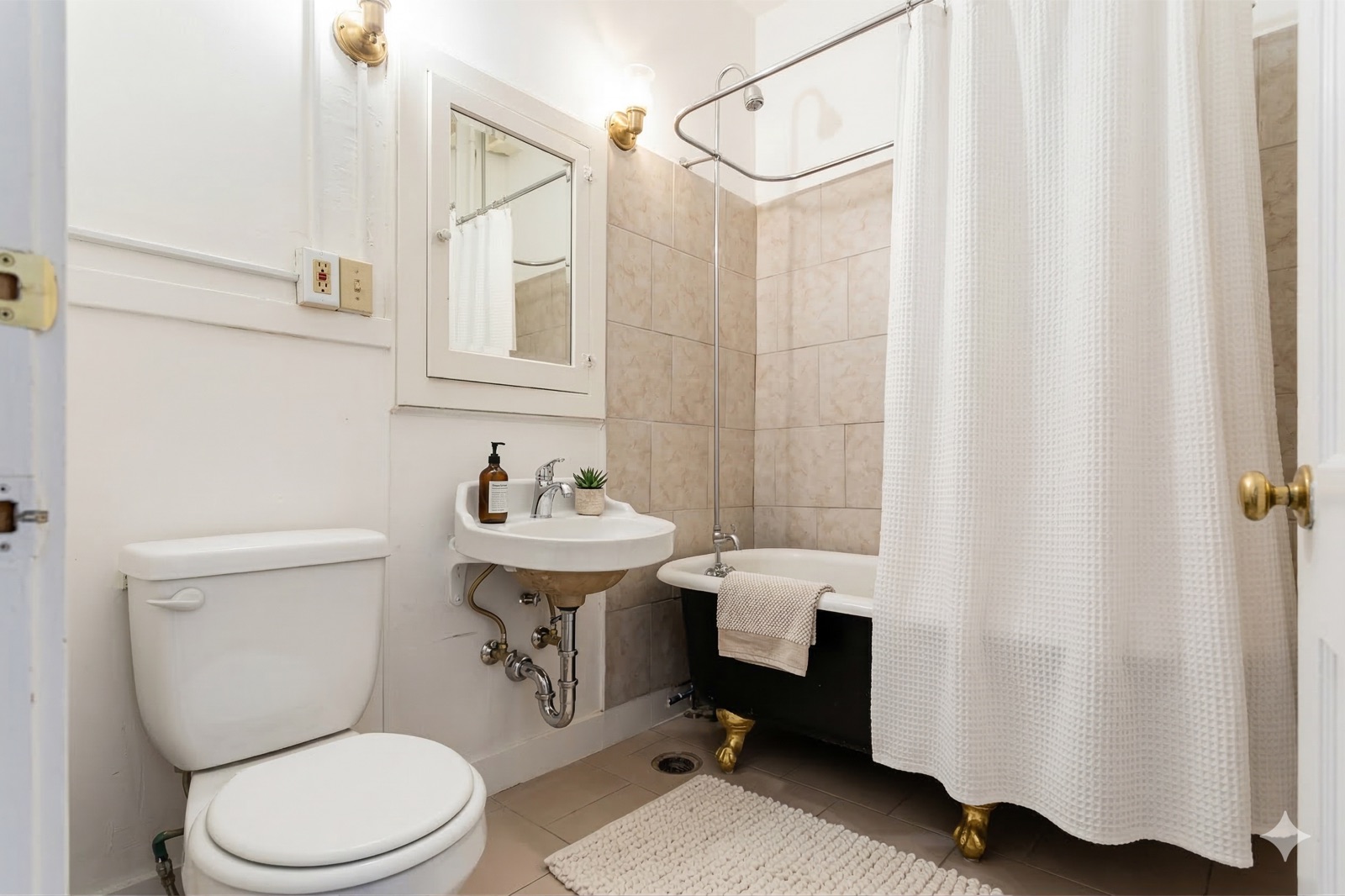
A door that locks, in a building that does not empty out. A private, furnished room on your own individual lease. Some shared space — usually a kitchen — but the room is yours and nobody schedules your December around a term calendar.
A predictable number. At Dover Quarters, rates run $195 to $295 a week depending on the suite type, and every rate includes utilities, WiFi and furniture. There is no separate bill arriving in January.
Adult terms. No quiet hours, no guest sign-in, no residence life staff. You are a tenant rather than a resident.
A year that is yours. Breaks are not an eviction event. If you want to stay in Seattle over winter, you stay.
What that costs you
Community is not automatic. This is the honest cost and it is the one people underweight. A dorm hands you a social circle; coliving hands you a kitchen and the possibility of one. If you are new to the city and not naturally good at starting conversations, this is a real risk rather than a theoretical one.
More admin than a dorm, less than an apartment. A lease to read, an application to complete, possibly a guarantor.
Fewer people your exact age. Coliving buildings mix students with early-career professionals and people relocating. Good for some, less good if what you want is a floor of first-years.
The question that actually decides it
Not price. This:
Where are you in your degree, and do you already know anyone in Seattle?
First year, knowing nobody — a dorm is usually right, and the price premium is buying a social circle you have no other efficient way to build. Take it, and treat coliving as the second-year question.
Second year onward, with a group already — the dorm’s main product is one you have already bought. What is left is the constraints, and coliving generally wins.
Graduate student — coliving usually wins outright. Your cohort is your department rather than your building, you want a door that locks and somewhere to work, and dorm life is calibrated for someone eight years younger.
International, or staying over breaks — this is nearly decisive on its own. A contract that closes over winter is a serious problem when the alternative is a flight home you cannot afford twice.
A placement schedule that is not the academic calendar — nursing and medical students at the First Hill hospitals, for instance. A dorm’s dates and a placement rota rarely agree. Harborview Medical Center is about a 10-minute walk from 901 6th Avenue, which is the kind of thing that matters more than either option’s brochure.
The cost comparison, done properly
If you do want to compare money, compare like for like:
- A dorm rate usually covers a term, not a year, and excludes the weeks it is closed
- A coliving rate covers every week you hold the room, including breaks
- Add a meal plan to the dorm column if it is mandatory
- Add whatever you would spend on somewhere to stay during closures
Then divide by the number of nights you actually have a bed. The dorm’s headline number and its per-night number are frequently quite different, and it is the second one you live in.
How much student housing costs in Seattle works the full term budget through, including the summer decision.
Neither of these is the compromise
The one option nobody frames properly is a shared house, which looks like it splits the difference and does not. It offers the lowest headline rent and the highest variance: utilities in your name, furniture to buy, and a joint lease that typically makes you liable for the entire rent if a housemate leaves in February.
That is a defensible choice with people you already trust. It is a poor default with strangers, and it is the option most likely to produce a bad third term.
For all three side by side, see student housing in downtown Seattle.