Off-Campus Housing Near Seattle University: How to Choose
Living downtown while studying on First Hill means trading a flat walk for a hill and a bigger neighbourhood. Here's how to judge whether that trade works for your schedule.
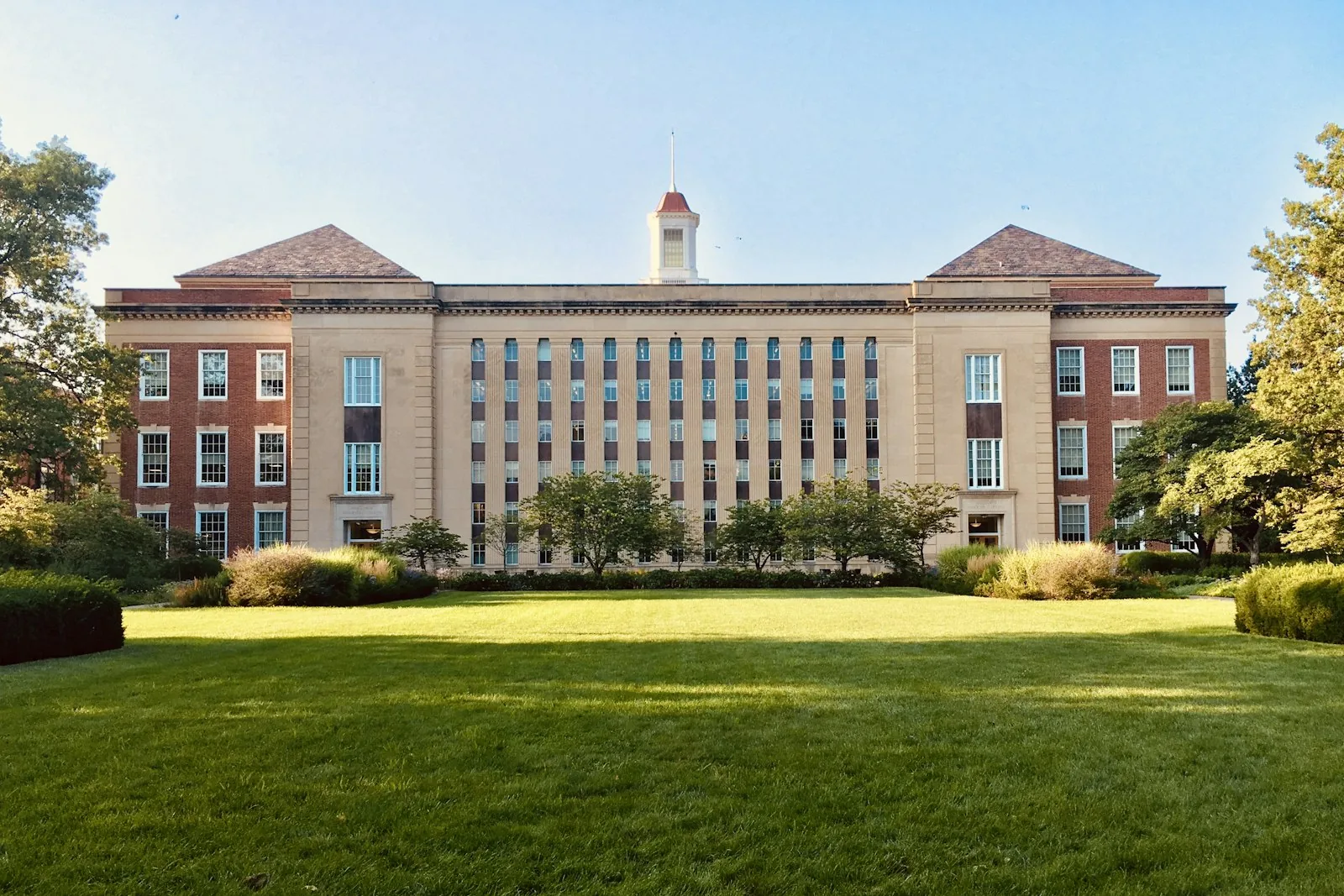
Seattle University sits on the eastern edge of First Hill, which puts it in an unusual position for a city campus: close enough to downtown that living there is genuinely practical, far enough that the walk has an opinion about it.
That last part is the whole decision. Seattle is hilly, and First Hill is called that for a reason. A route that looks trivial on a map is not always trivial at 8am in February with a bag of books.
Walk it before you sign — at the hour you’d walk it
This is the single most useful thing you can do, and almost nobody does it.
Pick the building you’re considering. Walk to the specific campus buildings you’ll actually be in — not “campus”, the buildings. Do it on a weekday, at the time your earliest class starts, and again in the evening when you’d come home.
You are checking three things:
- How long it really takes, door to door, not what a mapping app estimates on flat ground.
- How the hill feels in the direction you’ll do it most. Uphill on the way there or on the way back is a different daily experience.
- Whether it’s pleasant after dark, since a good chunk of the academic year in Seattle is dark by late afternoon.
If the walk holds up on a wet, dark evening in the direction you’ll hate most, it holds up.
What downtown gives you that campus-adjacent doesn’t
The case for basing yourself downtown rather than immediately beside campus comes down to what your life needs besides lectures.
Transit that goes everywhere, not just to campus. Dover Quarters at 901 6th Avenue has a Transit Score of 100 — Symphony Station is about a 7-minute walk, streetcar and bus stops about 2 minutes. If your placement, your job or your friends are anywhere other than campus, downtown is a hub rather than a spur.
Somewhere to be that isn’t your room or a lecture hall. Seattle Central Library is roughly 4 minutes on foot from 901 6th Avenue. Over a term, having a serious place to work that isn’t your bed matters more than people expect when they’re comparing rents.
A neighbourhood that doesn’t empty out. Campus-adjacent housing gets quiet between terms and over the summer. Downtown doesn’t.
Placements. If your programme involves the First Hill hospital cluster, that changes the calculation — Harborview Medical Center is about a 10-minute walk from 901 6th Avenue, so a downtown base can serve both campus and placement without either being far.
What campus-adjacent gives you that downtown doesn’t
Worth stating plainly, because a page that only argues one side isn’t useful.
Living beside campus means you can go home between classes. It means the ten-minute gap in your timetable is usable. It means you’re inside the social geography by default rather than commuting into it — and in first year particularly, that’s a real advantage.
If your life is going to be almost entirely on campus, campus-adjacent usually wins. If it isn’t, downtown usually does.
The practical questions for a student tenancy
Whichever direction you land, these are the ones that bite later:
- Does the lease term work with the academic calendar? It rarely lines up neatly. Standard leases at Dover Quarters run 6 or 12 months with shorter terms sometimes available — ask about your exact dates rather than assuming.
- What happens over the summer? If you go home, are you paying for an empty room, and where does your stuff go? Building storage is worth asking about specifically.
- Is there a desk? Not “is there space for a desk” — an actual desk and chair you can work at.
- What are the utilities? Get the five-item list: water, electricity, heat, garbage, internet. All five are in the rent at Dover Quarters, which means the quoted figure is the real one.
- What do you need to apply? Guarantor requirements and credit history stall more student applications than anything else, and it’s much easier to solve in August than in September.
If you’re signing from another city
Common, and manageable if you’re disciplined about it: insist on a live video walkthrough of the actual room, get inclusions and lease dates in writing before any payment, and never wire a deposit to an individual. A legitimate operator invoices as a business.
Choosing between a dorm, a shared house and a furnished room is a different question from choosing a neighbourhood, and student housing in downtown Seattle takes it apart properly. If it is the daily journey you keep circling, walk it — and then read living without a car in downtown Seattle.